Meeting Houston’s Growing Demand for Resilient Building
Houston’s sprawling, fast-growing metropolitan area presents an ideal landscape for Fadraga Construction’s dual specialization in roofing systems and comprehensive rehabilitation work. Between expanding suburban corridors, historic neighborhood revitalizations in areas like the Heights and Montrose, and an active real estate investment ecosystem, the city demands contractors who understand structural integrity from the foundation to the ridge cap.
Furthermore, the Gulf Coast’s volatile weather—ranging from prolonged heatwaves to torrential rainstorms and hurricane-force winds—requires builders who do not cut corners when engineering building envelopes.
Bridging High-Desert Craftsmanship and Gulf Coast Resilience
Transitioning technical expertise from Albuquerque to Houston allows Fadraga Construction to leverage its deep experience with heavy thermal cycling, UV degradation, and flat roofing assemblies while tailoring systems to coastal humidity and moisture management.
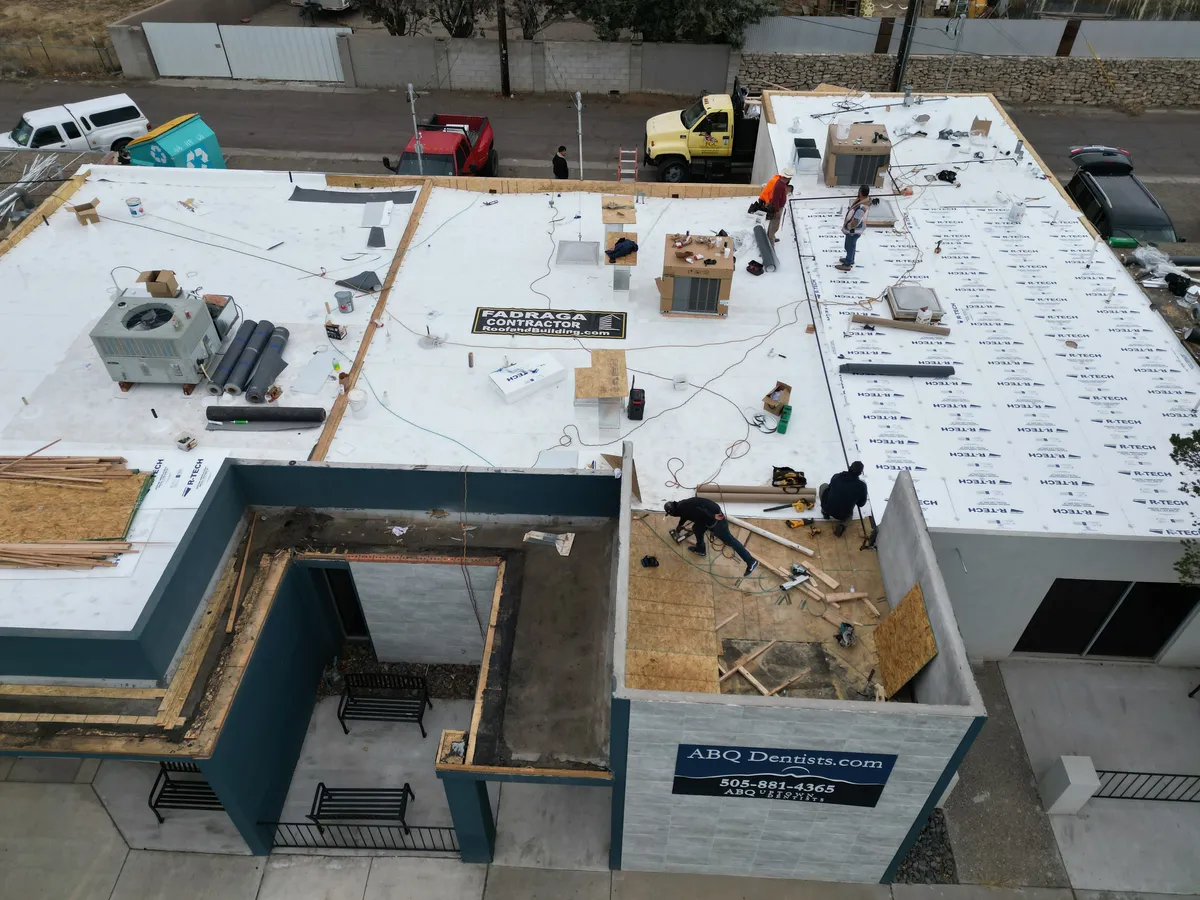
Whether installing wind-resistant architectural shingle assemblies, high-performance modified bitumen, or commercial single-ply membranes, the Houston team will implement rigorous moisture-barrier details, advanced ventilation strategies, and fortified flashing systems engineered to withstand Southeast Texas storm seasons without fail.
Single-Source Accountability Across Two Great Markets
From the arid foothills of Albuquerque to the dynamic coastal neighborhoods of Houston, Fadraga Construction delivers unified project management, certified trade proficiencies, and transparent pricing on every build.
Turnkey Roofing and Full-Scale Rehab Services
The Houston division will provide full-spectrum residential and light commercial services designed to take projects seamlessly from initial inspection through final punch-out. Fadraga’s service offerings will include emergency leak mitigation, storm restoration, total roof replacements, and complete property rehabilitation.
For investors, property managers, and homeowners tackling aging housing stock, Fadraga offers turnkey rehab capabilities—managing structural framing repairs, siding, drywall, exterior stucco, interior renovations, and roof line tie-ins under a unified project manager.
A Commitment to Community and Transparent Partnerships
True to the philosophy that fueled its success in New Mexico, Fadraga Construction’s Houston branch will prioritize localized service, transparent bidding with no hidden fees, and dedicated client communication.
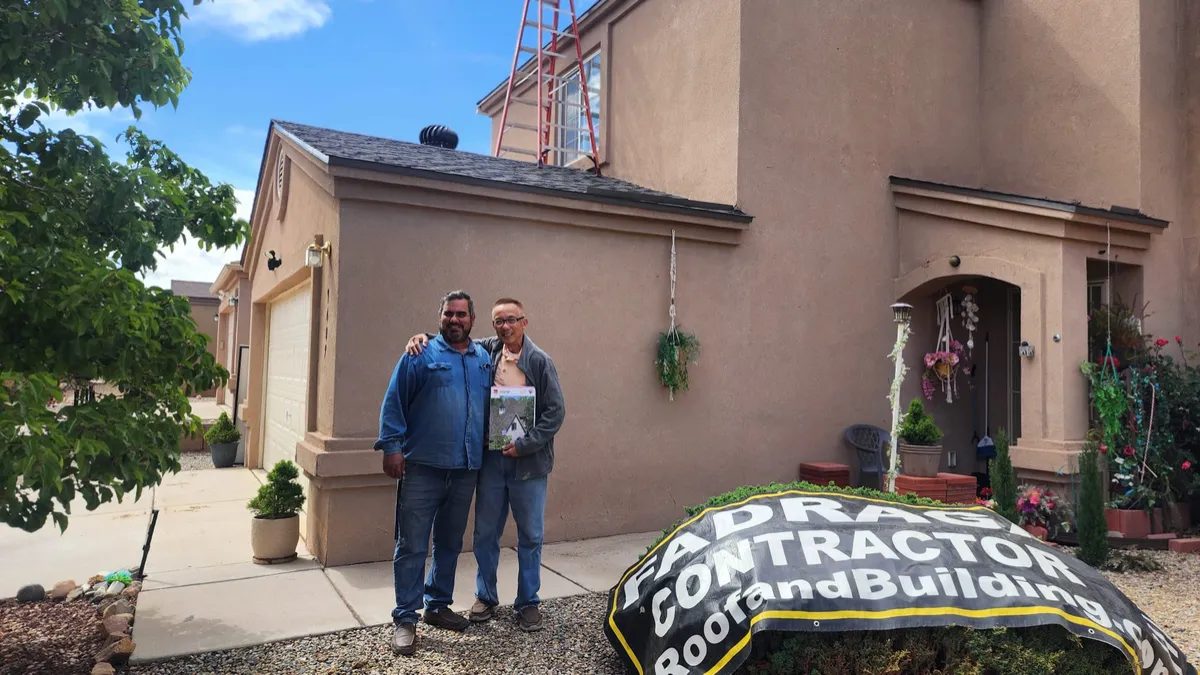
The company is actively investing in local tradespeople, establishing regional supplier relationships, and securing all municipal licensing and windstorm compliance certifications. Clients in Southeast Texas can expect the same accountability and pride of workmanship that made Carlos Fadraga and his crew a trusted name throughout the Southwest.
5 Questions & Answers: Roofing and Property Rehab Work
Click any question below to expand technical insights from our project managers.
In Albuquerque’s arid, high-elevation climate, the primary threats to roofing systems are extreme ultraviolet (UV) radiation, severe diurnal temperature swings that cause thermal shock and material expansion/contraction, and periodic freeze-thaw cycles. Flat roofing systems like modified bitumen and TPO must prioritize elasticity and UV resistance.
In contrast, Houston’s sub-tropical climate demands heavy emphasis on windstorm resistance, impact ratings, and moisture management. Roofs must incorporate algae-resistant shingles, self-adhering water-barrier underlayments at eaves and valleys, and specialized nailing patterns compliant with Texas Department of Insurance (TDI) windstorm guidelines. Proper ridge and soffit ventilation is also crucial in Houston to prevent trapped attic moisture from causing deck rot and mold growth.
A full tear-off is necessary when:
- Multiple Existing Layers: Most municipal building codes (including IBC/IRC) prohibit installing a third layer over two existing layers due to structural load limitations.
- Substrate Degradation: If soft spots, spongy decking, or interior water staining indicate rotted plywood or sagging structural framing, the entire surface must be stripped down to the rafters to replace degraded wood.
- Incompatible Materials: Installing new shingles or membranes over curled, brittle, or moisture-trapped materials voids manufacturer warranties and drastically shortens system lifespan.
- Extensive Storm Damage: Widespread hail bruising or wind uplift exceeding 25–30% of the roof plane typically warrants a comprehensive insurance replacement rather than isolated patches.
The golden rule of property rehabilitation is "envelope first":
- Structural and Foundation Repair: Ensure the structure has settled and is plumb before roofing or framing tie-ins.
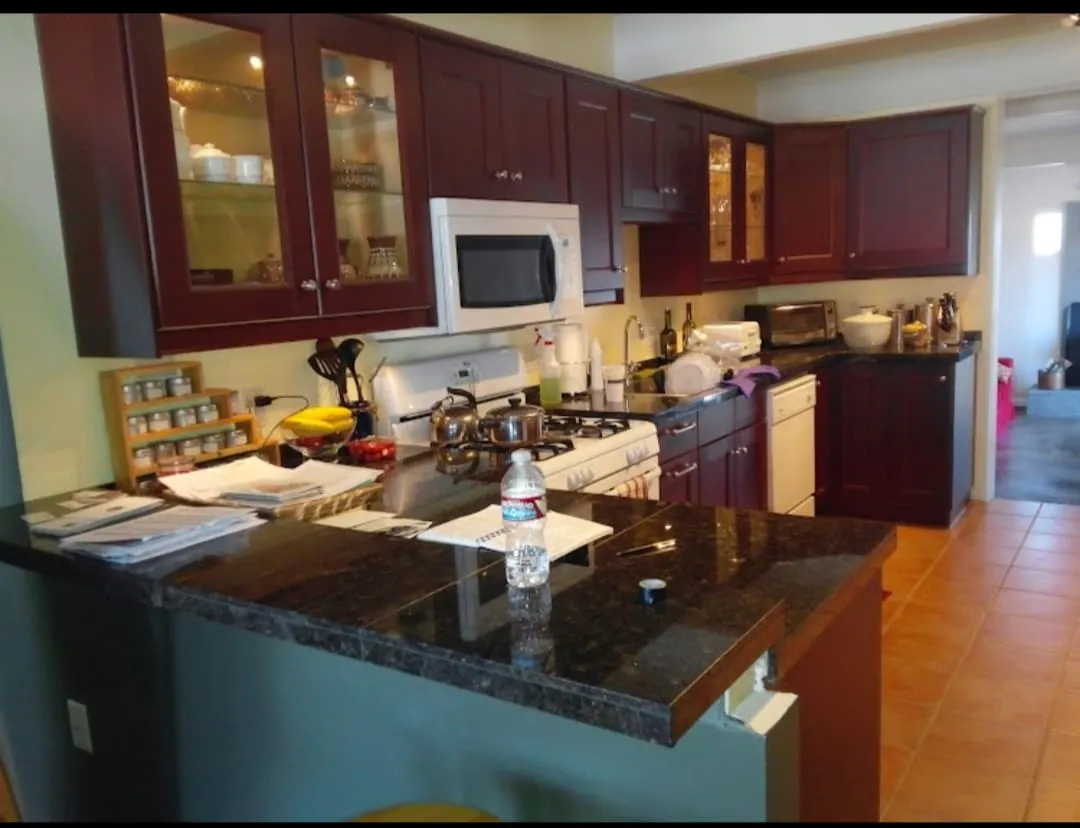
- Rough Framing & Reroofing: Framing adjustments, dormer additions, and the complete roofing system (underlayment, flashings, and surface material) should be installed before any interior trades begin. This guarantees a dried-in, watertight building envelope.
- Rough MEP & Windows/Siding: Install mechanicals, electrical, plumbing, windows, and weather-resistive barriers.
- Insulation & Interior Finishes: Drywall, cabinetry, and flooring must never be installed while the roof remains exposed or vulnerable to leaks.
For low-slope surfaces (roofs with a pitch below 2:12), traditional shingles cannot shed water effectively and will leak. The two best options are:
- Thermoplastic Polyolefin (TPO): Highly reflective white membrane that heat-welds at the seams to form a monolithic, watertight sheet. It reflects UV heat—significantly cutting cooling loads—and resists chemical and biological growth.
- Modified Bitumen / Multi-Ply Torch-Down: Asphalt-based sheets reinforced with fiberglass or polyester. When properly installed with base and cap sheets, modified bitumen offers puncture resistance, durability against foot traffic, and thermal performance.
Start with thorough documentation before moving or altering damaged materials:
- Photo & Video Evidence: Photograph wind-torn shingles, damaged flashing, hail dents on soft metals (gutters, vents), and all resulting interior ceiling stains, ruined drywall, and damaged flooring.
- Emergency Tarping and Mitigation: Take immediate steps to prevent further damage (save receipts, as these costs are typically reimbursable under the claim).
- On-Site Adjuster Collaboration: Have your general contractor present during the insurance adjuster's inspection to point out hidden damage, matching issues, and local building code upgrade requirements (such as ice/water shield, drip edge, or rafter reinforcement).
- Supplementing the Claim: If interior rehabilitation reveals hidden water migration behind wall cavities or rotted structural decking not visible during the adjuster's initial walk, the contractor can submit a formal estimate supplement (typically via Xactimate) to ensure the insurer covers the true scope of restoration.