Central New Mexico Climatic Demands & Roofing Systems
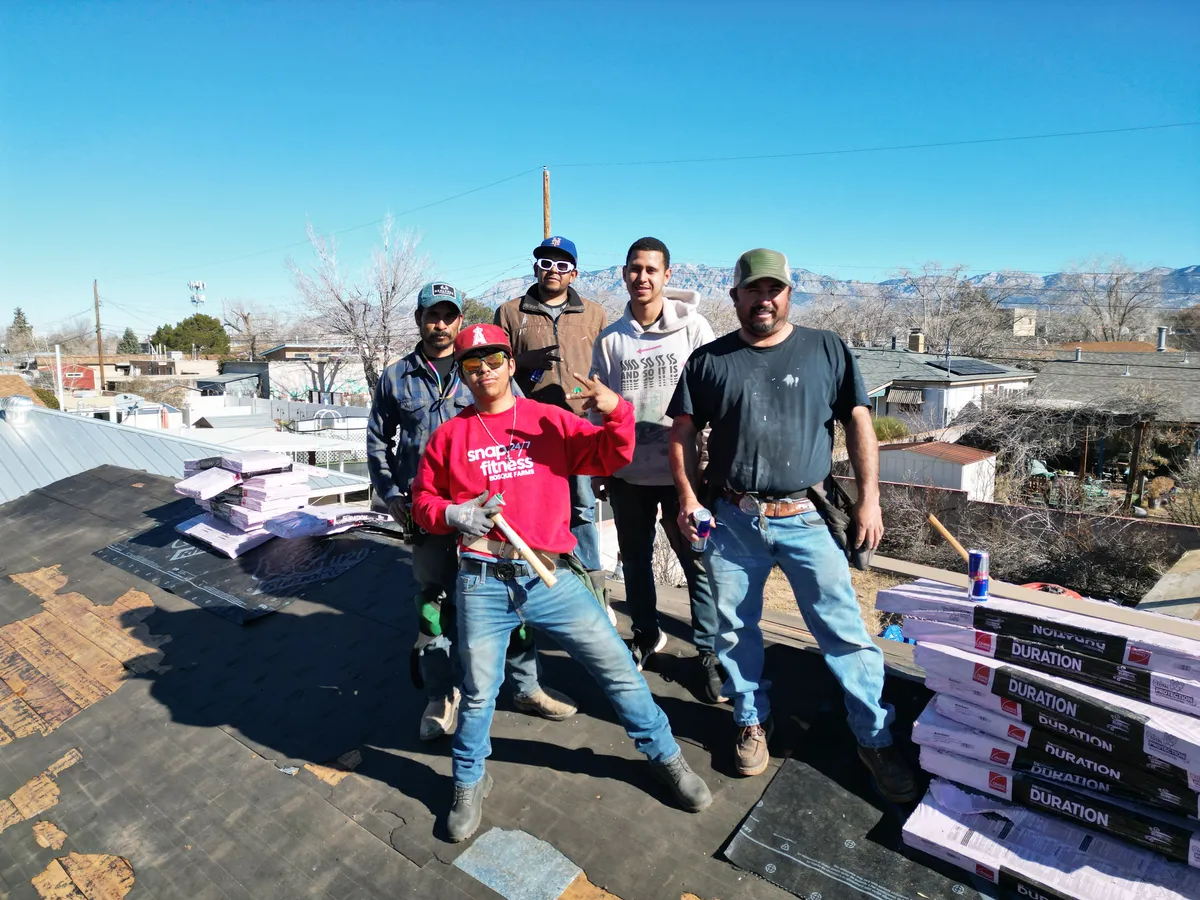
The company’s roofing division addresses the distinct climatic challenges of Central New Mexico, where high ultraviolet exposure, severe temperature swings, and seasonal monsoon storms place heavy demands on building envelopes. Fadraga provides new roof installations, re-roofing, leak inspections, elastomeric sealing, and full tear-offs.
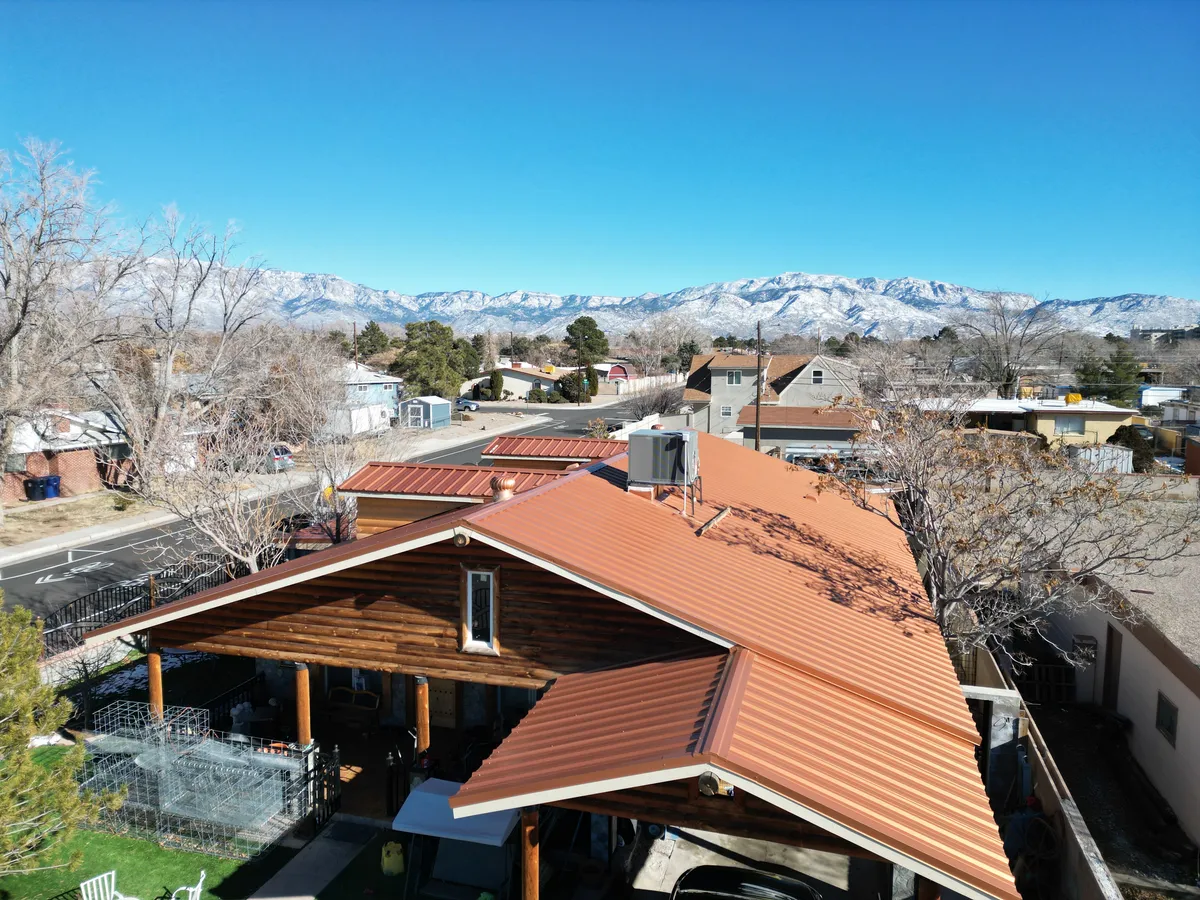
Their field crews work across multiple system profiles, including flat torch-down or membrane roofs common to Pueblo and contemporary Southwestern architecture, as well as pitched architectural shingle and standing-seam metal assemblies. Operating in Albuquerque's unique mile-high elevation means standard materials rapidly degrade if not specifically engineered with UV inhibitors and robust thermal expansion allowances.
Multi-Trade General Building & Parapet Waterproofing
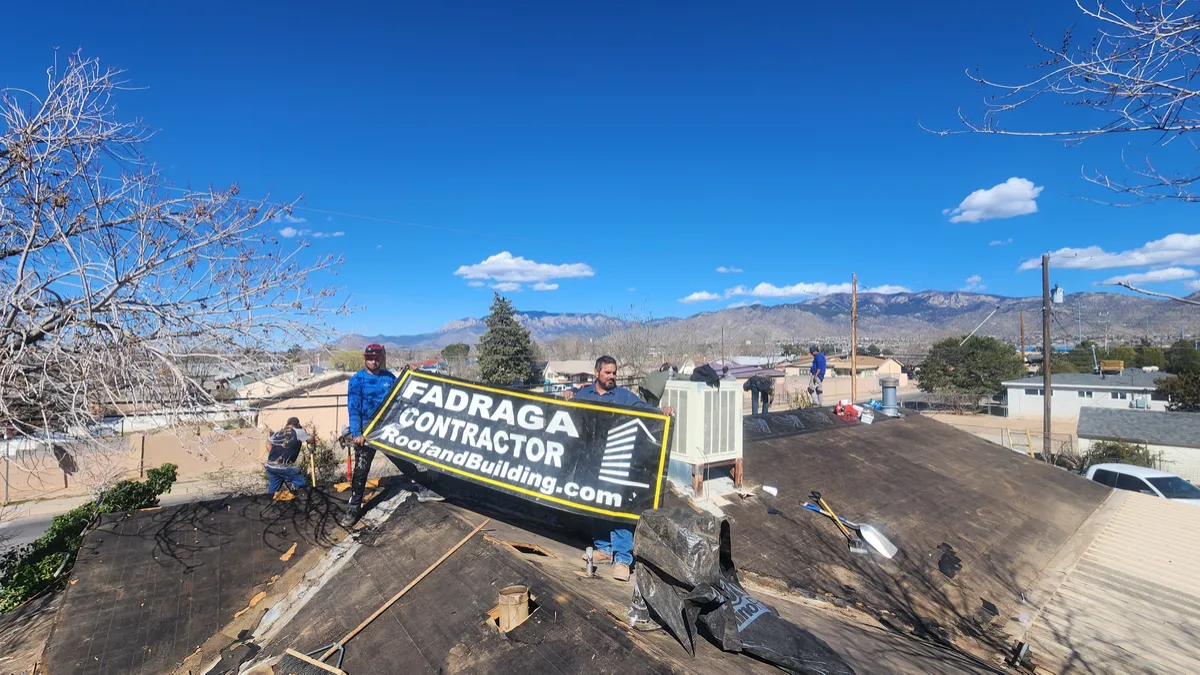
Beyond roofing, Fadraga operates as a licensed general builder handling multi-trade construction projects. Their work portfolio regularly includes residential additions, exterior stucco applications, structural alterations, siding repairs, and interior framing.
Managing both building construction and roofing under one roof allows the team to ensure tie-ins between parapets, framing, waterproofing membranes, and exterior stucco finishes remain airtight and moisture-resistant. This eliminates the common contractor finger-pointing between separate roofers and stucco crews when leak points emerge along roof edges.
Why Single-Source Contracting Matters in New Mexico
In flat roof Southwest architecture, over 80% of water intrusions occur at the parapet wall junction. By overseeing both the structural framing, stucco waterproofing, and the membrane flashing, Fadraga delivers a unified warranty and leak-free structural envelope.
Clean Job Sites, Transparent Pricing & Community Commitment
In local project permitting and customer feedback across Bernalillo County, the firm is known for hands-on project coordination and rapid post-storm mobilization. They emphasize job-site cleanliness—such as tarping perimeters to catch debris and protecting landscaping during tear-offs—and clear communication throughout the build process.
The company also offers transparent pricing, free estimates, military/veteran discounts, and flexible financing programs to make major structural renovations more accessible.
Operating out of Northeast Albuquerque, Fadraga General Contractor maintains an active presence across surrounding communities, including Los Ranchos, Corrales, and East Mountain neighborhoods. By combining specialized roofing knowledge with general building capacity, they provide property owners with practical solutions ranging from emergency leak mitigation to full-scale residential expansions.
Frequently Asked Questions: Roofing & Construction
Click any question below to expand technical insights from our Albuquerque master builders.
A: Albuquerque sits at an elevation over 5,000 feet, which results in intense solar UV radiation, rapid thermal expansion and contraction cycles (diurnal swings), and heavy summer monsoon downpours. These conditions degrade low-grade adhesives quickly and cause brittle cracking. Roofs in the area—especially flat and low-slope designs—require UV-reflective coatings, properly welded or torched seams, robust parapet flashing, and clear scuppers or canales to ensure water drains quickly without ponding.
A: A re-cover entails installing a new roofing surface directly on top of an existing, structurally sound layer without removing the underlayment. A full tear-off strips the roof down to the bare wooden decking. While re-covering costs less upfront, a tear-off allows contractors to inspect the structural decking for dry rot, termite damage, or sagging, ensures manufacturer warranties remain fully intact, and avoids adding excessive weight to the rafters.
A: Flashing consists of thin sheets of impervious material (usually galvanized steel, aluminum, or lead) strategically bent and sealed around joints, vertical transitions, and roof penetrations. Because these junctions are the primary entry point for water runoff, compromised flashing allows moisture into wall cavities, where it rots wooden framing, degrades drywall, and promotes toxic mold growth long before leaks become visible on ceilings.
A: Load-bearing walls carry vertical loads from the roof, ceiling rafters, or upper floors down to the foundation. During kitchen remodels, room additions, or open-concept conversions, removing or altering a load-bearing wall without engineered temporary shoring and structural replacement beams (such as steel I-beams or laminated veneer lumber) can cause ceiling deflection, cracked drywall, unaligned door frames, or catastrophic structural collapse.
A: For sloped asphalt shingle roofs, key indicators include heavy granule loss in gutters, cupped or curling edges, missing shingles, and cracked tabs. For flat or low-slope roofs (such as TPO or modified bitumen), warning signs include persistent ponding water remaining 48 hours after rain, surface blistering, seam separation, split parapet transitions, or bubbling in elastomeric coatings.